




Spain is overhauling its B2B landscape with the introduction of a mandatory e-invoicing model. Featuring a unique hybrid approach of private platforms and public reporting, this new regulation is a major step towards widespread digital compliance, and businesses need to prepare now.
How exactly will invoice exchange work, what are the key deadlines, and how will it impact your ERP system?
In this video, we asked Spain e-invoicing expert Sergio Martinez some of the most pressing questions surrounding Spain’s upcoming e-invoicing mandate and explore how best to streamline compliance.
Watch the video or read the transcript below.
What is happening with B2B e-invoicing in Spain?
Spain is introducing mandatory B2B e-invoicing, part of a bigger push towards digitalising business and tax reporting.
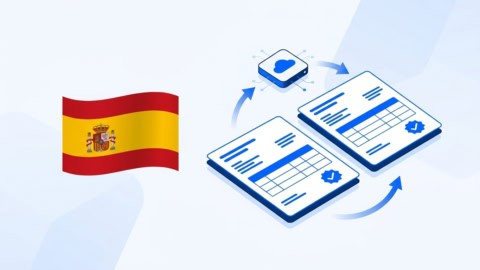
The Spanish model is interesting because it uses a hybrid approach. Companies can exchange invoices through private platforms, but a public system run by the tax authority sits alongside it.
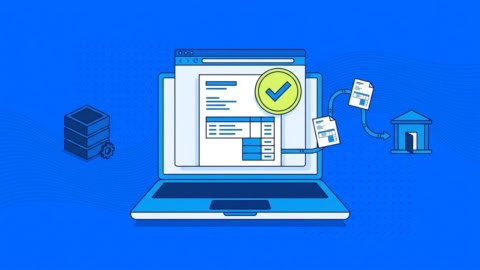
Every invoice still needs to be reported to the public system, which gives the authorities visibility over what is happening in the market.
When will e-invoicing become mandatory in Spain?
Spain’s regulatory framework is expected to enter into force on 1 October 2026. From there, rollout will be staggered. Large companies with more than 8 million EUR in annual turnover must comply starting from 1 October 2027.
All other businesses and self-employed professionals will follow one year later on 1 October 2028.
How will invoices be exchanged under the new Spanish model?
In Spain, invoices can be exchanged through private platforms, through a public system or using a mix of both. If you decide to use a private platform, you still need to send a faithful electronic copy of each invoice to the public system at the same time it is issued. Although companies have flexibility in how they exchange invoices with partners, everything is ultimately reported centrally and becomes visible to the tax authorities.
What are Spain’s main compliance requirements?
There are a few key things you need to get right. Firstly, invoices need to follow the European standard EN 16931 and use a structured format like UBL. Spain also requires companies to report certain invoice statuses, for example, if an invoice has been accepted, rejected or paid.
Access to the public platform also requires secure authentication, usually through electronic certificates.
Will companies still be able to use PDF invoices in Spain?
PDF invoices will soon be a thing of the past in Spain, though they will be allowed during the transition period. In the first year of the mandate for large companies, invoices also need to be provided as a PDF for readability, unless the recipient agrees to work only with structured electronic invoices.
Over time, the structured format will become the standard and PDFs will be phased out. The sooner you are ready to move to a fully automated system, the better.
Will real-time reporting be required?
Yes, real-time reporting is a key part of the Spanish model. If you are sending invoices through our private platform, a copy has to be sent to the public system at the same time.
If you use the public platform directly, the invoice is available to the authorities immediately. This approach means reporting becomes much more immediate and issues can be detected much faster.
What should businesses be doing now to prepare for Spanish e-invoicing regulations?
The most important thing right now is to look at your current setup. Start with your ERP system. Can it actually generate structured e-invoices with the required tax data or are there any gaps?
That is usually where the first issues show up. Then look at how you want to connect, whether directly to the public system or through a provider. Finally, do not underestimate process changes. Things like tracking invoice statuses or handling rejections need to be built into your workflows directly.
The earlier you test these pieces together, the fewer surprises you will have later.
How can companies simplify compliance moving forward?
With the new rules, maintaining compliance in Spain will be tricky for many businesses, especially those that need to manage both private platforms and public reporting requirements.
Working with a fully managed provider like ecosio helps simplify these processes.
With a fully managed approach, you connect once and your provider handles both the exchange with partners and the reporting to the authorities.
Status updates, format changes and regulatory updates are managed by external experts, meaning your team does not have to manage every detail internally. This provides peace of mind regarding changing compliance regulations while your team can focus on more valuable tasks.