




Germany’s B2B e-invoicing mandate 2027 is no longer a distant deadline. From 1 January 2027, larger businesses will be required to issue structured electronic invoices, with the obligation extending to all businesses from 2028.
For many organisations, that may sound like the main compliance challenge. In reality, it is likely to be only one step in a much broader shift towards digital tax administration.
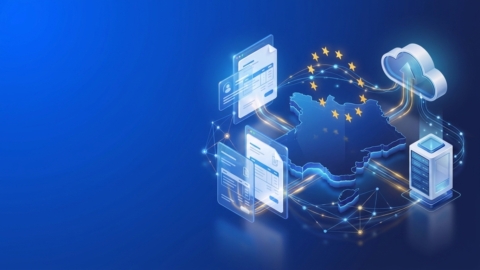
Germany is already discussing what could come next: a national digital reporting system designed to support the EU’s VAT in the Digital Age (ViDA) initiative. While no final model has been announced, businesses implementing e-invoicing today should understand how future reporting requirements could shape their compliance strategy in the years ahead.
TL;DR: What this article covers
- Germany’s e-invoicing rollout remains on track for 2027 and 2028
- Discussions have begun around a future digital reporting system
- The initiative is closely linked to the EU’s VAT in the Digital Age (ViDA) framework, addressing how VAT in Germany and Europe will change
- Industry stakeholders are advocating for the use of existing infrastructure rather than entirely new government-operated platforms
- Businesses that invest in structured invoice data and scalable infrastructure today will be better prepared for future reporting obligations
Germany’s e-invoicing mandate is only the beginning
The introduction of mandatory B2B e-invoicing represents one of the most significant changes to German invoicing processes in decades.
Since January 2025, businesses have been required to receive structured electronic invoices. The next major milestone arrives on 1 January 2027, when larger businesses must begin issuing compliant electronic invoices. One year later, the requirement will extend to all businesses involved in domestic B2B transactions.
These changes are primarily focused on how businesses exchange invoice data with one another.
The next phase of digitalisation may focus on how invoice data is shared with tax authorities.
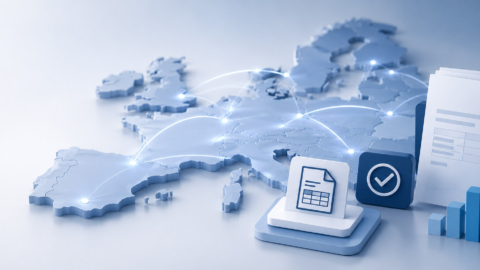
Across Europe, governments are looking for ways to improve VAT collection, reduce fraud, and increase visibility into economic activity. As a result, digital reporting has become a central part of many national tax modernisation programmes.
Germany is now exploring how it may fit into that wider European direction.
What are E-Reporting Requirements and how do they differ from E-Invoicing?
A digital reporting system enables transaction data to be transmitted electronically to tax authorities. It is important to distinguish this from e-invoicing.
- E-invoicing governs how invoice data is exchanged between suppliers and buyers.
- Digital reporting governs how transaction information is shared with tax authorities.
In some countries, these two concepts are closely connected. In others, they operate separately.
Depending on the model adopted, businesses may be required to:
- Submit invoice data shortly after issuance
- Provide transaction information at defined intervals
- Exchange invoices through infrastructure that also supports reporting requirements
At this stage, Germany has not confirmed which approach it intends to take.
Why Germany needs a digital reporting system: VAT in the Digital Age (ViDA)
The main driver is VAT in the Digital Age (ViDA), the European Union’s flagship initiative for modernising VAT reporting and compliance.
ViDA aims to create a more digital and harmonised VAT environment across the EU. Among its objectives are:
- Reducing VAT fraud
- Improving tax transparency
- Simplifying compliance for cross-border trade
- Increasing the use of structured digital transaction data
Many EU member states have already implemented some form of digital reporting or clearance model.
- Italy uses its SDI platform for invoice exchange and reporting.
- France is preparing a model that combines e-invoicing with strict France e-reporting requirements.
- Poland has implemented its KSeF platform.
Germany’s current approach is different. Businesses exchange invoices directly without submitting them to a central government platform. Tax authorities receive access to invoice data during audits rather than in real time.
That model may evolve as Germany aligns itself with future European requirements.
What has been proposed so far?
In June 2026, the German Association for Electronic Invoicing (VeR) published a strategy paper outlining its recommendations for a future German reporting framework (“Meldesystem E-Rechnung”).
One of the paper’s key messages is that Germany should build upon existing infrastructure rather than create an entirely new ecosystem from scratch.
The argument is straightforward.
The market already contains established e-invoicing providers, interoperable networks, secure transmission channels, and proven technical standards. Reusing these foundations could reduce implementation costs and minimise disruption for businesses.
The paper also highlights the importance of interoperability, scalability, and alignment with existing European initiatives.
While the strategy paper does not define Germany’s final approach, it provides valuable insight into how parts of the industry believe digital reporting could be implemented.
Could Peppol play a role?
Peppol is emerging as one of the most frequently discussed elements in conversations about Germany’s future reporting landscape. That does not mean Peppol has been selected or mandated. No official decision has been made.
Nevertheless, many stakeholders see Peppol as a logical option because it already offers:
- Standardised document exchange
- Secure participant identification
- Established governance structures
- Cross-border interoperability
- Growing adoption across Europe
From a practical perspective, using infrastructure that businesses are already implementing for e-invoicing could simplify any future transition to digital reporting.
For organisations currently evaluating their e-invoicing strategy, Peppol readiness may therefore provide benefits beyond immediate compliance requirements.
Curious about Peppol’s role in future reporting models?
Many of the current discussions around Germany’s future digital reporting system involve concepts such as the four-corner and five-corner models. These frameworks explain how invoice data can be exchanged and, potentially, reported to tax authorities.
Learn more in our article on the four-corner and five-corner models and their connection to Peppol.
What should businesses do today?
The most common mistake is treating Germany’s e-invoicing mandate as a standalone project that ends once compliant invoices can be exchanged. A more effective approach is to view e-invoicing as the foundation for future digital compliance initiatives.
Several priorities deserve attention.
Invest in structured invoice data
Future reporting obligations are likely to depend on the same invoice information businesses generate today. Strong data quality and consistent processes will make future compliance significantly easier. Just how critical clean master data is in practice becomes clear in our key lessons from the France e-invoicing pilot.
Build for scale
Short-term solutions may solve today’s requirements but create challenges tomorrow. Flexible platforms that support multiple formats, channels, and regulatory changes provide greater long-term value.
Strengthen governance
Many compliance issues originate from poor master data, inconsistent processes, or unclear ownership of invoice information. Establishing governance now reduces risk later.
Consider future reporting requirements
Nobody knows exactly what Germany’s final reporting framework will look like. That uncertainty should not prevent organisations from evaluating whether their current architecture can adapt to future reporting obligations without major redevelopment.
Looking beyond 2028
Germany’s e-invoicing mandate represents a major milestone, but it is unlikely to be the final destination.
The wider direction of travel across Europe is clear: tax authorities want greater visibility, faster access to transaction data, and more digital compliance processes. We explore how this shift is moving from policy ambition to practical adoption across the continent in our article on e-invoicing in Europe.
Whether Germany ultimately adopts a reporting model based on Peppol, existing service provider infrastructure, or another framework entirely, businesses can already take practical steps to prepare.
The organisations that focus on structured data, scalable infrastructure, and long-term compliance readiness today will be in a far stronger position when the next phase of digital reporting arrives.
For that reason, the most important question is no longer whether Germany will continue its digital tax transformation. The question is how prepared businesses will be when the next stage begins.
How ecosio can help
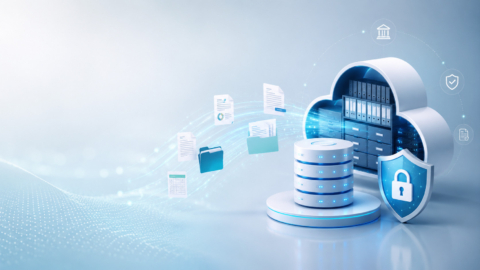
Preparing for Germany’s e-invoicing mandate, and for what may come next, requires more than generating compliant invoice files. Businesses need structured data, reliable exchange channels, validation, monitoring, archiving, and the flexibility to adapt as reporting requirements evolve.
ecosio supports businesses with a fully managed e-invoicing service and acts as an accredited Peppol Access Point. This means you can exchange structured invoices securely via Peppol, while also covering other required formats, transmission channels, and compliance processes for Germany and other global e-invoicing mandates.
From inbound and outbound e-invoicing to validation, monitoring, partner connectivity, and ongoing regulatory updates, ecosio helps you build an e-invoicing setup that works today and remains adaptable for future digital reporting requirements.
Ready to prepare for Germany’s next phase of e-invoicing and digital reporting? Get in touch with our team.
FAQs
1. What does ViDA (VAT in the Digital Age) mean for businesses in Germany?
ViDA is an EU-wide initiative designed to modernise VAT compliance and reduce tax fraud through digital transparency. For businesses in Germany, ViDA serves as the main driver behind the transition from basic e-invoicing to a continuous, near real-time digital reporting system for domestic and cross-border transactions.
2. What is the difference between e-invoicing and a digital reporting system ("Meldesystem E-Rechnung")?
While e-invoicing regulates the structured exchange of invoice data directly between a supplier and a buyer, a digital reporting system (often referred to in Germany as a Meldesystem) governs how that transaction data is transmitted to the tax authorities. E-invoicing essentially creates the structured data foundation that a reporting system will later rely on.
3. When will the final digital reporting system be implemented in Germany?
An official launch date for Germany’s national digital reporting system has not yet been finalized. However, Germany’s B2B e-invoicing mandate is already set for 2027 and 2028. Industry stakeholders, such as the German Association for Electronic Invoicing (VeR), are pushing to build the future reporting framework on top of this existing e-invoicing infrastructure to ensure a smooth transition toward EU-wide ViDA compliance.
4. Will Germany adopt a centralized platform like France or Italy for e-reporting?
Currently, Germany uses a decentralized approach where businesses exchange invoices directly without a central government platform. However, looking at established e-reporting requirements across Europe—such as Italy’s SDI or France’s upcoming model—Germany is actively discussing whether to utilize open, interoperable networks like Peppol or transition toward a more centralized framework to align with future EU standards.
5. How can companies future-proof their infrastructure for upcoming VAT reporting updates?
To prepare for future compliance, businesses should look beyond the immediate 2027/2028 e-invoicing deadlines. The key is investing in scalable infrastructure, robust master data governance, and managed services that support high-quality structured invoice data. Ensuring your systems are “Peppol-ready” today will allow your organization to adapt to automated reporting mandates tomorrow without a complete technical overhaul.