


1 minute read
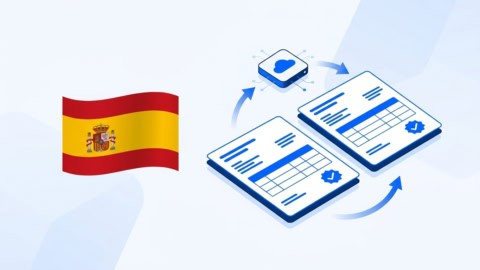
B2B e-invoicing in Spain: what companies need to know
Spain’s B2B e-invoicing requirements will change how businesses exchange invoices and report payment status. Find out who’s affected, which deadlines apply and how to prepare your ERP and finance processes,...
1 minute read
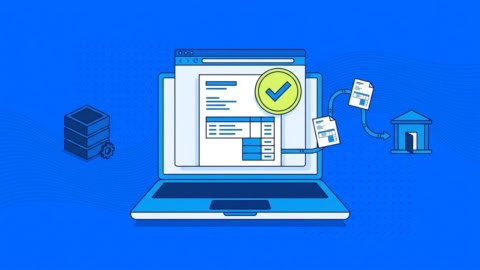
E-invoicing without ERP integration: what to do when integration isn't an option (yet, or ever)
ERP integration not ready—or not an option? Discover how browser-based e-invoicing helps you meet mandate deadlines and keep low-volume entities compliant, while automating where it makes sense.

4 minute read
Is e-invoicing just the start of an automation avalanche? ecosio insights
Discover why governments are pushing e-invoicing and how to future-proof your compliance strategy for broader supply chain automation.

4 minute read
The impact of effective B2B automation: ecosio insights
B2B automation is essential for scale and compliance. Damla Araujo reveals key strategies for ERP integration in this video interview. Watch now!

4 minute read
E-invoicing in Spain - your questions answered: ecosio insights
Discover everything you need to know about the B2B Spain e-invoicing mandate, from compliance deadlines and the hybrid model to essential ERP preparations.
10 minute read
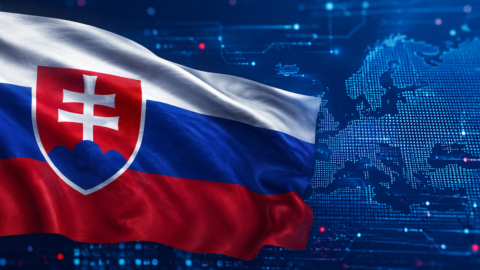
E-invoicing in Slovakia: mandate, timeline and compliance guide
Understand Slovakia's mandatory B2B and B2G e-invoicing rules, including Peppol requirements, the SK TDD and how to comply.

1 minute read
Germany’s digital reporting system: what could come after mandatory e-invoicing
Beyond Germany’s 2027/28 mandate lies the EU's ViDA initiative. Read our deep dive to learn why building a scalable e-reporting infrastructure now is essential.
1 minute read
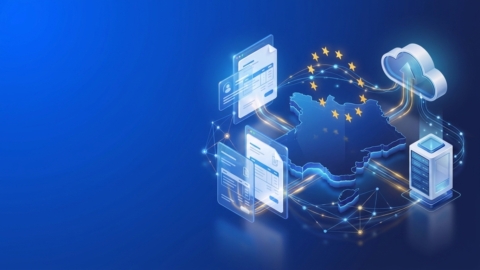
Five key learnings from the France e-invoicing pilot
ecosio has been exchanging real invoices in the France e-invoicing pilot. Here are the top lessons we've learned — and what they mean for your readiness before the September mandate.
17 minute read
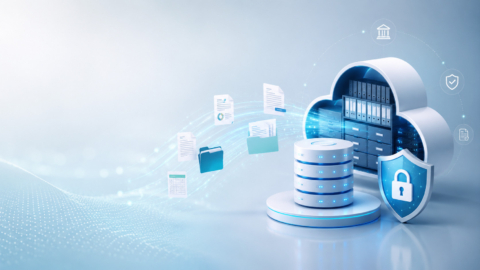
Why invoice retention isn't the same as legal archiving
Invoice retention doesn't equal legal archiving. Learn why invoice archiving must preserve integrity, authenticity and legibility.
7 minute read
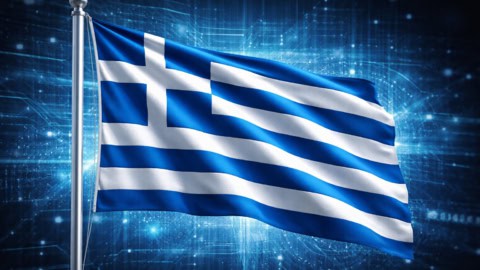
Greece e-invoicing requirements explained
Greece e-invoicing requirements: key deadlines, myDATA rules, and practical steps to stay compliant with B2B and B2G mandates in 2026